 Become a member
 Donate

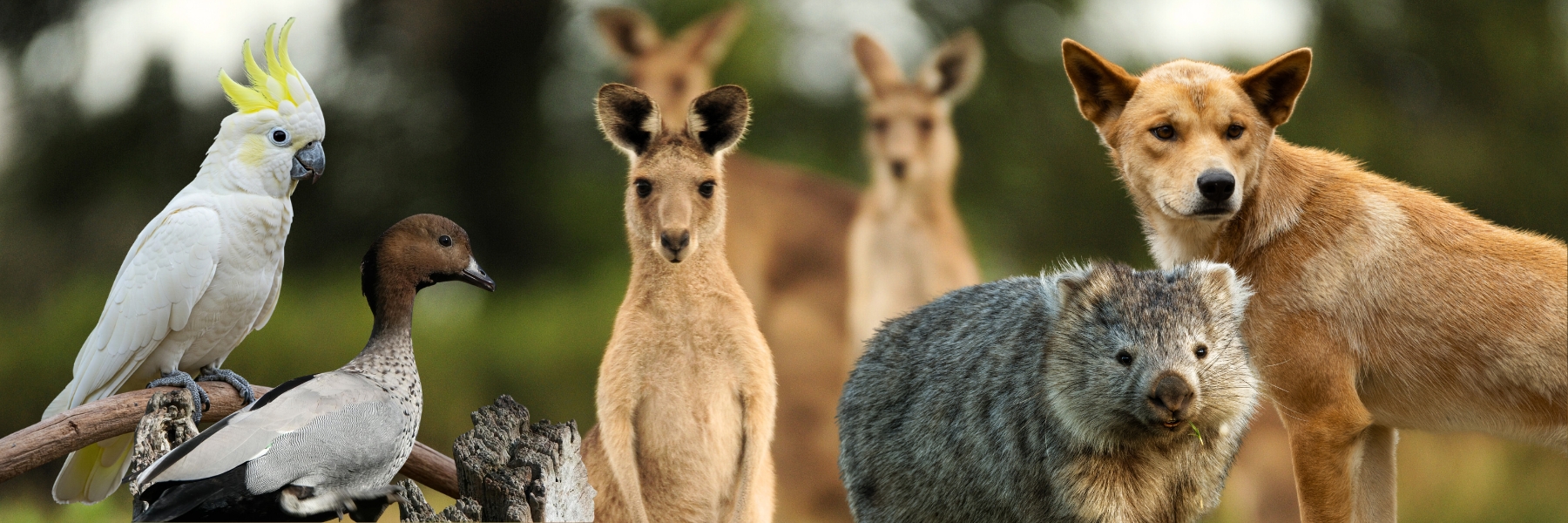
The NSW Parliament is reviewing the “licence to harm” system, the process that allows people to legally injure or kill native animals. Many supporters have told us they’re shocked by how widespread and poorly regulated this system is.
This guide outlines some of the issues we have identified. You are welcome to use any of these points, adapt them, or write from your own personal experience and values.
What is a “Licence to Harm”?
A Licence to Harm is a legal permit issued by the NSW Government that allows a person to kill, injure or otherwise harm protected native animals. These licences can be granted for reasons such as property damage, perceived overpopulation,or economic impacts, even when non-lethal solutions exist.
They can cover a wide range of species and can authorise the killing of large numbers of animals.
In 2023 alone, 657,203 native animals were authorised to be harmed under these licences in NSW, more than any other state in Australia. This included kangaroos, wallabies, wombats, possums and countless birds. Since 2017, almost 1.9 million native animals have been killed under these permits.
These are wild animals simply trying to live in their own habitat. Many are mothers protecting young, or species already facing population pressures. Shooting, trapping and poisoning cause immense suffering, and there is little to no independent monitoring or transparency about what actually happens.
The current system is failing both animals and the public’s expectation of humane treatment and accountability.
📆 Submissions close: Friday 19 December 2025
What this inquiry is looking at

The NSW Parliament has launched an ‘Inquiry into the use of licences to harm native animals’. The committee will examine:
- How many animals are being harmed
- Welfare impacts of current lethal methods
- Whether non-lethal options are being used
- The process for issuing these licences
- Transparency and monitoring
- Impacts on dependent young (joeys, chicks, etc.)
- First Nations consultation
View the Terms of Reference here
This Inquiry is chaired by our own Animal Justice Party MP Emma Hurst, who has long fought to expose animal cruelty and strengthen protections for wildlife. It’s an historic opportunity to expose this hidden system and demand change.
As Emma Hurst has said:
“This inquiry will be a thorough examination of the system under which licences to harm native animals are issued. In particular, it will look at the welfare impacts of current lethal control methods, including whether they give enough consideration to animal welfare and species identification.”
Why Your Voice Matters
Each year, hundreds of thousands of native animals in NSW are killed, under government authorisation. Many people have never heard of this system, and without public pressure, it will continue unchanged.
By making a submission, you can help:
- Demand an end to routine killing of native animals
- Expose the lack of transparency and poor oversight
- Call for humane, non-lethal management as the default and promote true coexistence through education, habitat protection and wildlife-friendly practices
- Ensure the welfare of every animal, including mothers with dependent young
Even short, heartfelt submissions make a difference.
How to Make Your Submission
It’s simple and only takes around 10 minutes. Submissions can be as short or long as you like - even one paragraph helps.
Deadline: Friday 19 December 2025
| Click Here to Make Your Submission |
You can structure your submission like this:
- Introduction - Who you are and why you care about native animals
- Your concerns - Explain what concerns you about the current system (e.g. cruelty, lack of oversight, killing of mothers and young)
- What you want to see changed - Use some of the key points below
- Closing - Thank the Committee and restate your hope for better protection of native animals.

Points to Consider When Writing Your Submission:
Use the following points to guide your submission. Choose those that resonate with you and express them in your own words.
1. Move Toward Non-Lethal Management
End the use of cruelty as “management.” Shooting, trapping, poisoning and other violent methods cause suffering and have no place in modern wildlife policy. Replace lethal control with compassionate, evidence-based strategies that protect both animals and ecosystems.
Prioritise coexistence. Build programs that help people and wildlife live safely side-by-side through wildlife-safe practises, habitat planning and education.
Protect mothers and young. Any approach to wildlife management must recognise animals as sentient family groups. Dependent young should never be left to starve or die unseen.
✍️ Example: Licences to harm are cruel and outdated. Animals deserve protection, not persecution. There are better ways to prevent conflict, wildlife-friendly fencing and habitat planning, that don’t cause suffering. NSW should end the use of lethal control and replace it with non-violent management that values coexistence.
2. Strengthen Protections for Wildlife
Create enforceable welfare laws. Native animals deserve the same protection from cruelty as companion animals.
Independent monitoring and transparency. Oversight of all wildlife management decisions must be independent, with regular public reporting of data, compliance and welfare outcomes.
Ban cruel methods outright. Practices such as night-shooting, aerial culling, leg-hold traps and poisons inflict extreme suffering and must be permanently prohibited.
✍️ Example: Native animals should be protected by strong welfare laws, not exceptions that allow cruelty. There’s almost no oversight once a licence is issued, and animals can be shot, trapped or poisoned without transparency. It’s time for clear laws, independent monitoring, and a total ban on practices that cause pain and distress.
3. Invest in Coexistence
Support genuine coexistence. Focus on education about the role native wildlife play in maintaining healthy ecosystems, from enriching soil and improving biodiversity to supporting pollination and seed dispersal.
Encourage wildlife-friendly fencing and gates, and prioritise habitat restoration and protection to help animals live safely where they belong.
Recognise that native animals have an intrinsic right to live freely and without harm.
Promote ecological balance by protecting apex predators such as dingoes and acknowledging kangaroos as a keystone species essential to the health of Australia’s landscapes.
✍️ Example: Instead of funding lethal control or deterrent programs, the government should invest in habitat protection and coexistence initiatives that respect the rights of native animals and the ecosystems they sustain.
4. Transparency and Accountability
Public access to information. Publish all licence applications, decisions and enforcement data.
Independent review. Establish an impartial body to evaluate any wildlife management decisions, ensuring non-lethal alternatives are always prioritised.
End opaque licensing. Phase out current permits as humane, non-violent methods become established, and require clear welfare criteria for any future decision-making.
✍️ Example: There is almost no oversight of what happens once a licence is issued. The public deserves to know how many animals are being harmed and why. Licence data should be fully transparent and independently reviewed. Without oversight, suffering continues in the dark. We need a system based on openness, accountability and compassion.
5. Education and Compassion
Community awareness. Encourage understanding of how to coexist peacefully with native animals and why every species has ecological value.
A cultural shift. Promote empathy and stewardship, replacing fear and control with respect for life and a commitment to non-violence.
✍️ Example: Communities want to live peacefully with wildlife. Education and support can help people understand how to coexist safely and humanely. A compassionate culture starts with knowledge, replacing fear with respect and teaching that every animal has a place in our shared world.

Submission example for those short on time
Dear Committee Members,
I oppose the current licensing system that allows the legal killing of native animals in NSW. Since 2017, almost 17,000 licences have been issued, resulting in the deaths of around 1.9 million animals. Lethal methods cause suffering and do not provide long-term solutions.
I urge the Committee to recommend independent oversight, stronger protections for wildlife, transparent public reporting, and a shift away from harmful control methods toward true coexistence. Native animals have an intrinsic right to live safely on the land, and policies must reflect that.
Thank you for considering this submission.
Yours sincerely,
[Your Name]
Tips for making your submission
Use your own words. Personal stories and experiences with wildlife can be powerful. Explain why you care about native animals and why compassionate coexistence is important.
Be respectful but firm. Focus on evidence and solutions. Avoid personal attacks on landholders; emphasise systemic change.
Cite credible sources. Mention the HSI report’s statistics on licences and animal deaths, the cruelty of lethal methods and the availability of non‑lethal alternatives.
Address the inquiry’s terms of reference. Highlight whether the licensing framework is necessary, effective, humane and aligned with community expectations.
| Click Here to Make Your Submission |
Learn More About the Inquiry
📘 Read the evidence: Humane Society International Australia – Licence to Kill report (2023)
If you need help writing or lodging your submission, contact us at:
📧 [email protected]
🐾 Follow @AnimalJusticePartyNSW on social media for updates.


